Researchers in a 2021 study found that intake of sugar-sweetened beverages was associated with lower sperm concentration and total sperm count.

 Embryoman
Researchers in a 2021 study found that intake of sugar-sweetened beverages was associated with lower sperm concentration and total sperm count.





Researchers in a 2021 review combined multiple studies on assisted hatching and found no clear improvement in live birth rates, though clinical pregnancy rates were slightly higher and the chance of multiple pregnancy increased.




Researchers in a 2021 study analyzed nearly 100,000 FETs from the US SART registry and found that blastocyst stage transfers were slightly more likely to result in male live births than cleavage stage transfers.


Researchers in a 2021 study found that older women showed worsened IVF outcomes using sperm with high DNA fragmentation, possibly due to compromised DNA repair activity in the older egg.
Researchers in a 2020 study report on the results of the MOXI trial that tested the effectiveness of a sperm supplement cocktail (containing vitamin C, vitamin D, vitamin E, selenium, and more) and found no benefit.
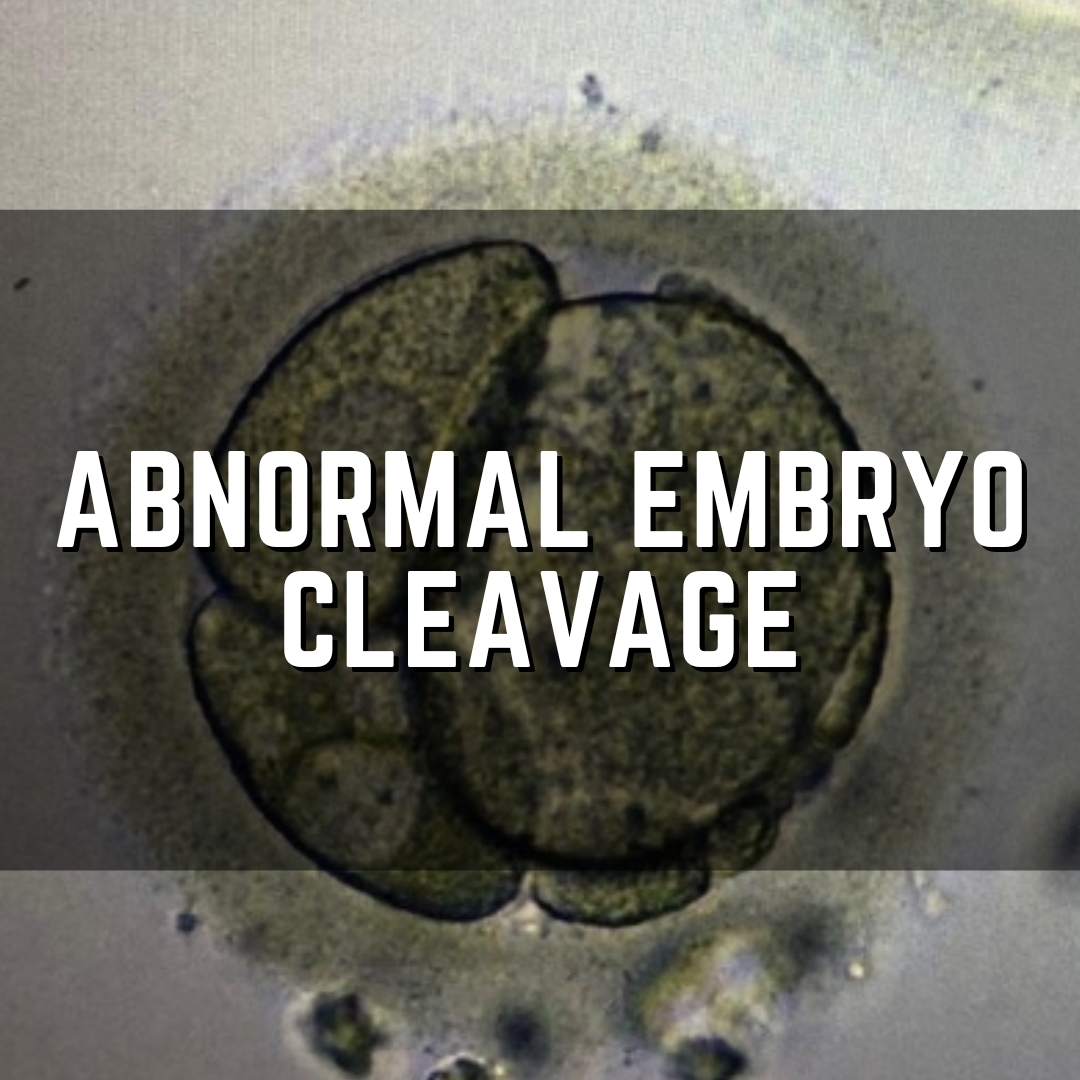
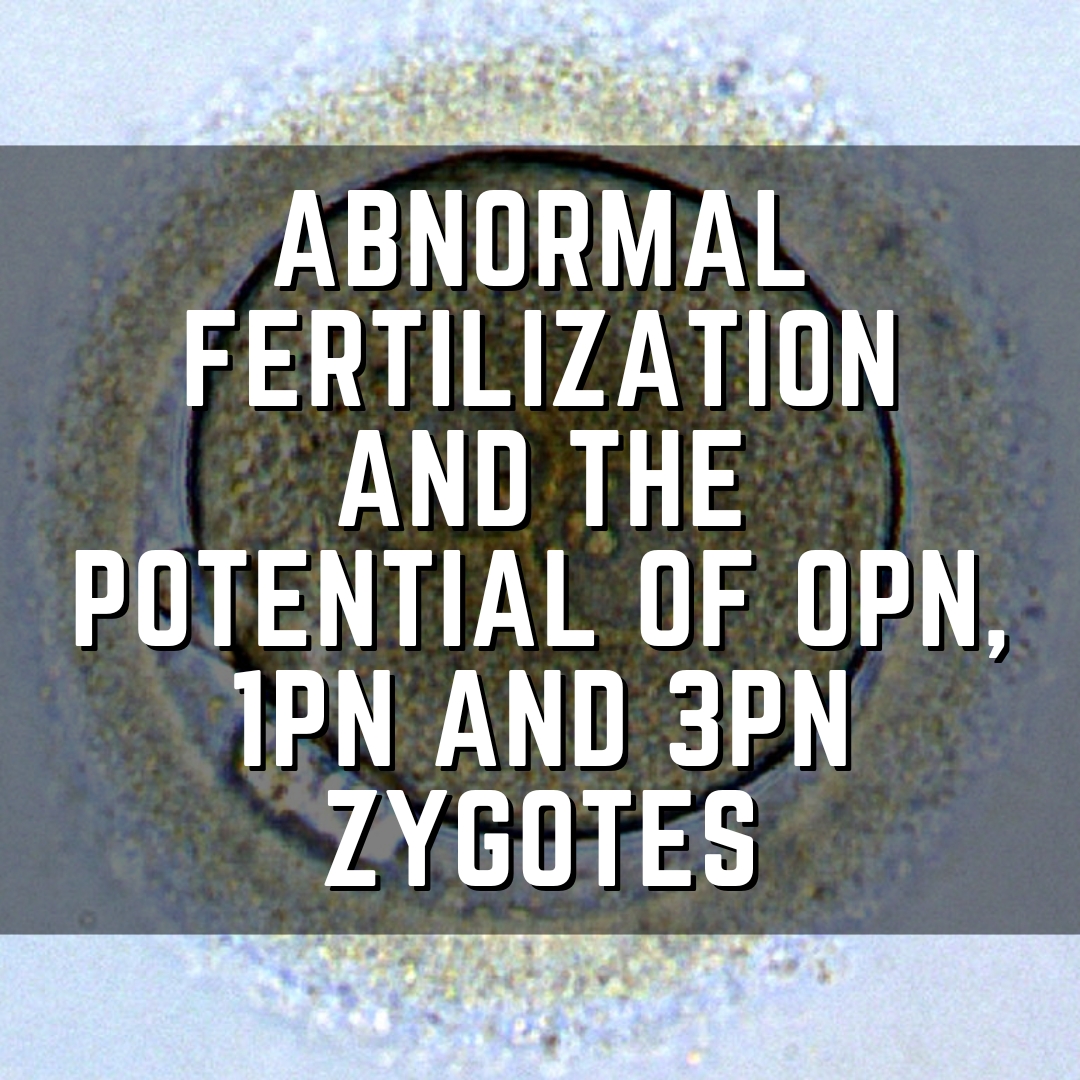
This post covers what occurs during normal fertilization and what it means to have an abnormally fertilized zygote (0PN, 1PN, 3PN, 4PN). Using PGT to test these embryos reveals that many have the correct number of chromosome sets and can lead to successful live births.

Researchers in a 2020 study compared IVF outcomes by follicle sizes, and found that larger follicles generally produced mature eggs that were more likely to develop into blastocysts.

Researchers in a 2021 study performed a clinical trial and found that low and moderate level mosaic embryos have comparable pregnancy outcomes to euploid embryo transfers.