
In a 2026 meta-analysis, researchers combined the results of 17 studies and found that day 7 blastocysts had lower live birth rates than day 5 or day 6 blastocysts, even when only euploid embryos were compared.

In a 2026 meta-analysis, researchers combined the results of 17 studies and found that day 7 blastocysts had lower live birth rates than day 5 or day 6 blastocysts, even when only euploid embryos were compared.

Researchers in a 2026 study found that more than two-thirds of patients with complete embryo arrest still developed at least one usable blastocyst in their next IVF cycle, although they had lower usable blastocyst formation rates overall and were more likely to experience complete embryo arrest again.
Researchers in a 2026 meta-analysis combined the results of 9 studies and found that embryos from 0PN zygotes had similar pregnancy outcomes to embryos from normally fertilized (2PN) zygotes, despite being less likely to develop into blastocysts.

Researchers in a 2026 study found that patients with only one fertilized egg (zygote) may have a higher chance of live birth with cleavage stage transfer than blastocyst stage transfer, especially at older ages.
Researchers in a 2026 study proposed statistical thresholds that may help distinguish between poor IVF results that can happen by chance and those that may need a closer look.

Researchers in a 2026 study found that about 0.4% of blastocysts derived from apparently normal 2PN fertilization were triploid, and although these embryos were more likely to have abnormal polar body extrusion, genetic testing is still the only reliable way to identify them.

In a 2025 meta-analysis, day 5 blastocysts were linked to higher pregnancy and live birth rates than day 6 blastocysts, while newborn outcomes were similar and poor quality day 5 embryos showed comparable potential to good quality day 6 embryos.

A 2025 study introduces the term “oocyte and early embryo competence defects” to describe younger IVF patients who repeatedly have no transferable embryos due to low quality eggs, finding that about 13–23% had genetic changes.
A 2025 case report shows that some ICSI-derived 3PN embryos can be rescued by removing the extra female pronucleus, resulting in a healthy live birth, but the technique remains experimental.
A 2025 study found that 0PN zygotes can actually be normally fertilized but missed during the standard 16–18 hour fertilization check, while those that never form pronuclei are likely unfertilized eggs, supporting a slightly earlier check around 16–17 hours and continued culture of 0PNs to the blastocyst stage for confirmation of fertilization.

A 2025 study of single-blastocyst transfers found no increase in birth defects or adverse pregnancy outcomes when transferring poor quality embryos compared to good quality ones.
A 2025 study of women with repeated IVF failure and unexplained infertility found that about 13% had mutations affecting egg or embryo development, mostly in the TUBB8 and PATL2 genes, suggesting that many “unexplained” cases may have underlying genetic causes.

Researchers in a 2024 study showed that by artificially removing the embryo’s zona (shell) right after fertilization reduced fragmentation, improved blastocyst development, and led to live births in patients with repeated IVF failure, though the findings are still preliminary and need confirmation in larger trials.

A 2025 study found that while poor quality blastocysts are less likely to be euploid, some can still lead to healthy live births. Tested poor quality embryos had higher live birth rates and lower miscarriage rates than untested ones, especially when they developed by day 5 instead of day 6.
A 2025 study suggests that acetaminophen (Tylenol), at levels reached after a standard dose, can disrupt embryo development in experimental models, raising questions about its potential impact on IVF outcomes, although better research in humans is needed before changing clinical practice.
In a 2025 study, researchers tested a noninvasive MRI-like tool that reads an embryo’s metabolic health, accurately predicting which would stop developing and potentially helping select the healthiest for transfer.
A new study showed that day 7 embryos may develop more slowly because of stress and disrupted signaling in the inner cell mass, which might help explain their lower success rates.
A 2025 meta-analysis found that while 1PN zygotes don’t convert to blastocyst as well and have lower success rates when untested, those confirmed as euploid can lead to healthy births, but extra care is needed to confirm they are truly normal.
This post summarizes the 2025 ESHRE/ALPHA Istanbul consensus on egg and embryo assessment, offering patients a clear overview of how embryologists evaluate and rank eggs, zygotes, and embryos based on updated international guidelines.


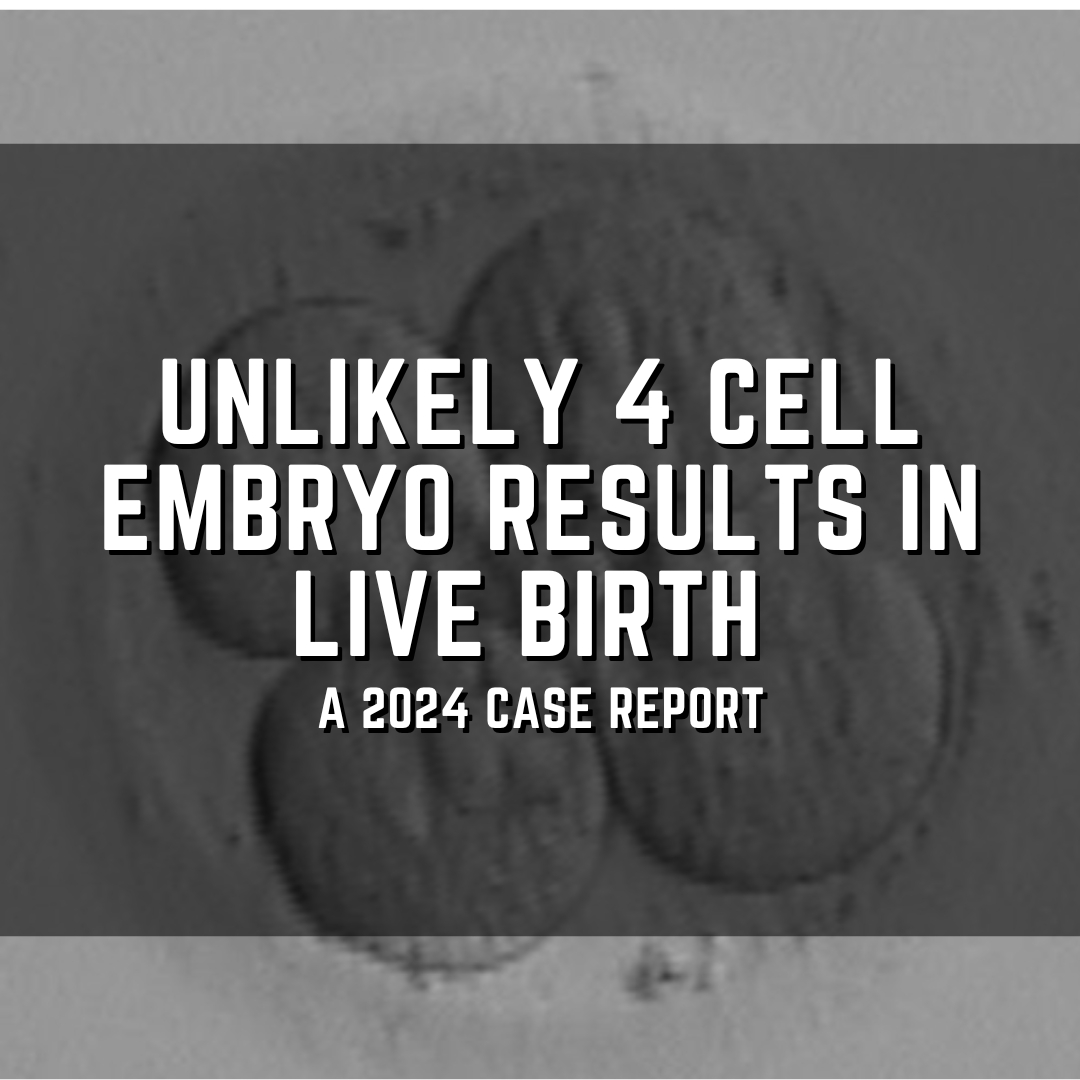
A 2024 case report details a patient who had success transferring a 4 cell embryo on day 4 — an embryo that some clinics wouldn’t have considered for transfer.
A 2024 study found that beta-hCG levels were related to day 3 and day 5 embryo quality and development, with blastocyst expansion having the strongest impact on both initial beta values and their doubling.
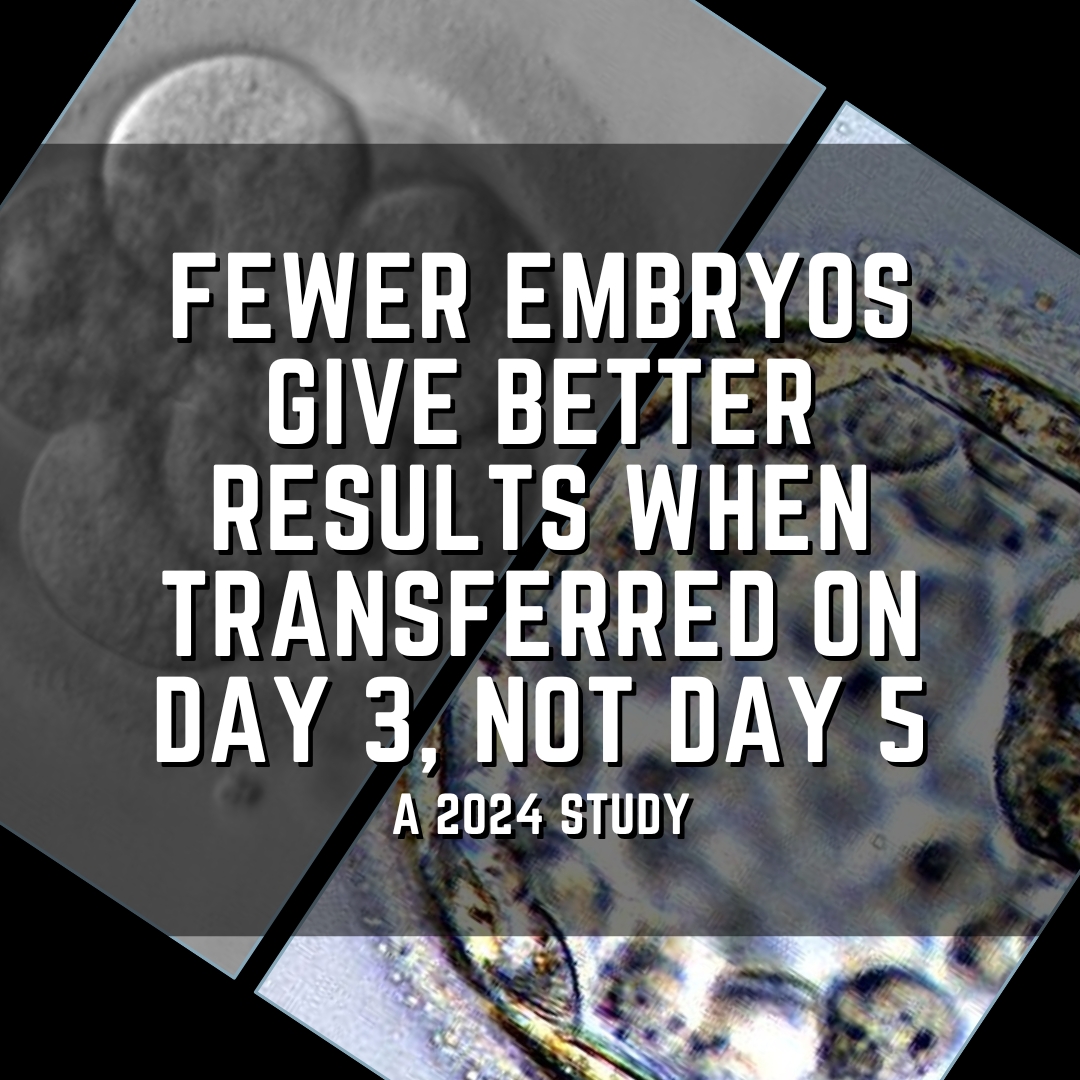
A 2024 study compared outcomes of IVF cycles that transferred day 2/3 or day 5/6 embryos, finding that day 2/3 embryos have higher live birth rates per cycle, particularly for patients with 3 or less embryos.


Researchers in a 2023 study found that day 7 euploids have the lowest ongoing pregnancy rate, when compared to day 5 and 6 euploids. These embryos were mostly poor quality.
Researchers in a 2023 study show that poor quality embryos have acceptable live birth rates compared to good and fair quality embryos, with only a slight increase in pregnancy loss and no differences in perinatal outcomes.

Researchers in a 2023 study found that arrested embryos have a high degree of aneuploidy, which is mainly due to mitotic errors that occur after fertilization. In a separate analysis of non-arrested embryos, they found that good quality/day 5 embryos have less aneuploidies compared to poor quality/day 6 and 7 embryos.