shipping embryos or gametes to another clinic

This is a guide that covers the process of shipping embryos/gametes from one clinic to another, including the use of dry shippers, the risks of transport, the process involved with the clinic and how you can prepare, three different shipping methods and approximate costs for the shipment.

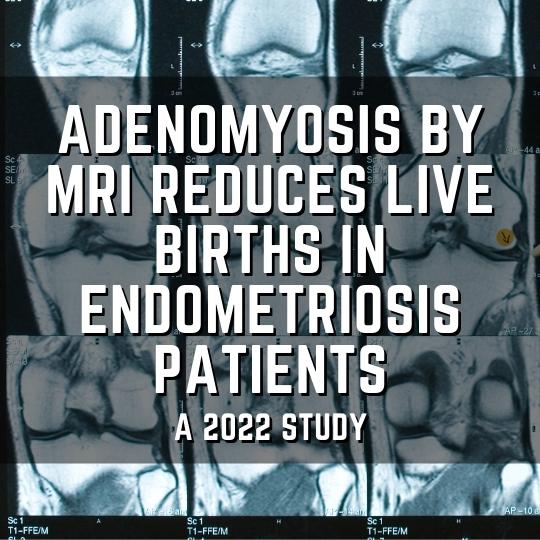
Adenomyosis by MRI reduces live births in endometriosis patients

Researchers in a 2022 study found that the combination of endometriosis and adenomyosis results in lower cumulative live birth rates after IVF, particularly in those with T2 high-signal intensity myometrial spots as evaluated by MRI.

comparing frozen embryo transfer FET protocols

The post discusses various frozen embryo transfer protocols, which includes a medicated FET, natural cycle FET (true natural/modified natural), and mild ovarian stimulated FET, along with their scheduling. In addition, it examines whether one FET protocol is superior to another, the relevance of the corpus luteum in medicated vs natural cycle FETs, and optimal progesterone levels.

hCG levels and biochemical pregnancy loss

Researchers in a 2019 study compared pregnancy outcomes with different serum β-hCG levels that were measured on day 16 of the embryo’s age (13dp3dt/11dp5dt).

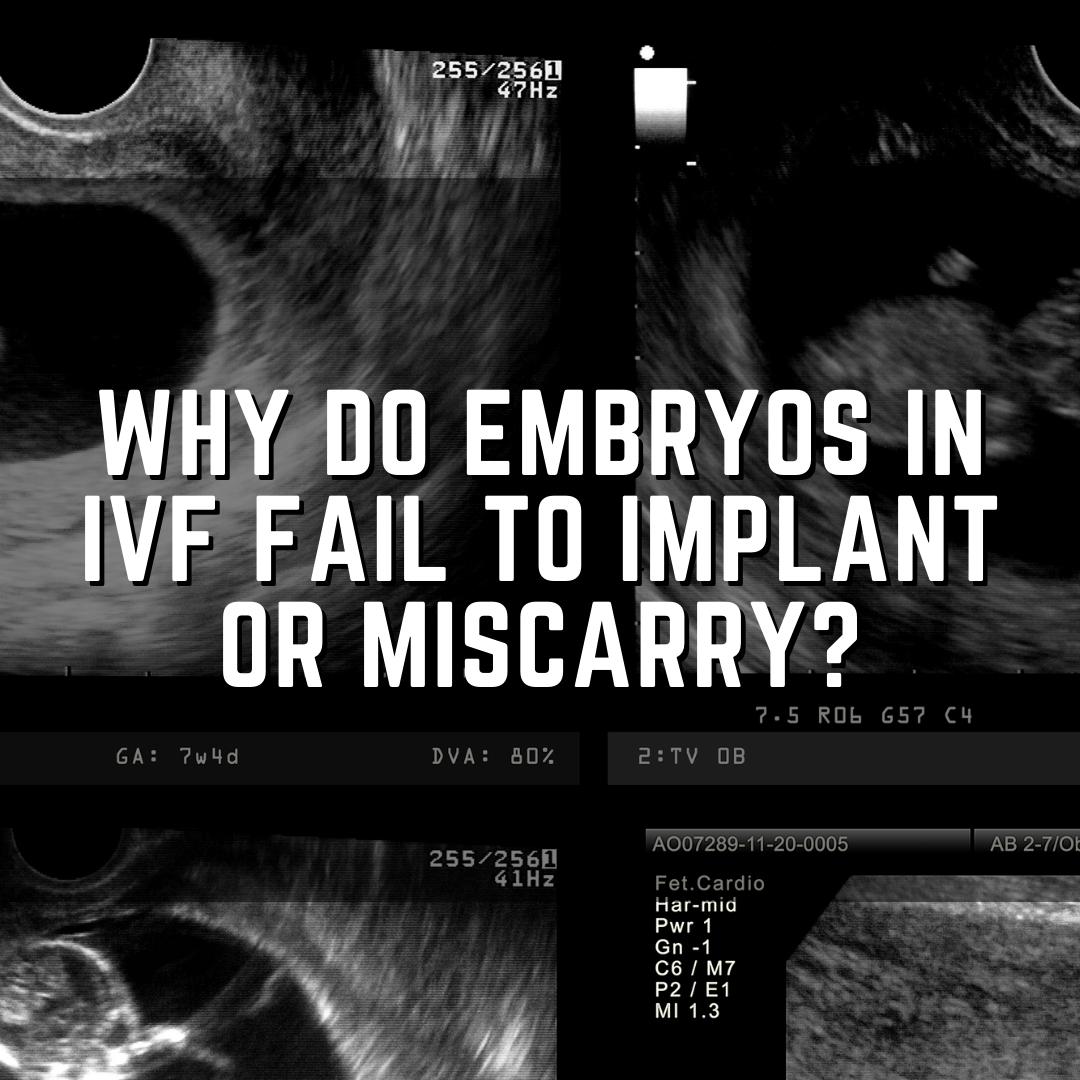
why do embryos fail to implant or miscarry?

This post covers the variety of reasons embryos can fail to implant or miscarry, including as a result of advanced maternal age, chromosomal translocations, lifestyle, endometritis, the microbiota, immunological issues, endometrial receptivity, the clinic, and more. Note that this is not a complete list, and will be updated periodically.