A 2025 randomized controlled trial found that natural cycle FETs led to higher live birth rates and fewer miscarriages than medicated FETs in ovulatory women with a good prognosis.

A 2025 randomized controlled trial found that natural cycle FETs led to higher live birth rates and fewer miscarriages than medicated FETs in ovulatory women with a good prognosis.
A new case report describes the healthy birth of dizygotic twin girls from embryos labeled as aneuploid by PGT-A, highlighting the limitations of embryo testing and the need to reconsider strict discard protocols.
Even when embryos are euploid and pass PGT-A, miscarriage can still happen. A new 2025 study suggests that genetic mutations too small to be seen by standard PGT-A may explain some of these losses.
A 2025 study shows that segmental abnormalities detected by PGT-A in the trophectoderm don’t always match the ICM, suggesting that these embryos may still be viable for transfer.

A new study showed that day 7 embryos may develop more slowly because of stress and disrupted signaling in the inner cell mass, which might help explain their lower success rates.
A 2025 meta-analysis found that while 1PN zygotes don’t convert to blastocyst as well and have lower success rates when untested, those confirmed as euploid can lead to healthy births, but extra care is needed to confirm they are truly normal.
A 2025 study found that nearly one in three IVF patients without PCOS or diabetes had insulin resistance, which was linked to lower success rates, but taking metformin before embryo transfer seemed to help.
A pilot study in 2025 explored whether mitochondrial DNA mutations in follicular fluid could reflect egg quality, finding some early signs of a possible link, but there were some significant limitations.
A 2025 study found that PCX, a surface molecule on endometrial cells, may lead to a shorter implantation window in women with endometriosis and might explain the stickiness of lesions outside the uterus.

A new study found that selecting FSH type based on a woman’s FSH receptor (FSHR) genotype may improve IVF pregnancy and live birth rates, particularly when using rFSH for NN genotypes and uFSH for NS or SS genotypes.

This post summarizes the 2025 ESHRE/ALPHA Istanbul consensus on egg and embryo assessment, offering patients a clear overview of how embryologists evaluate and rank eggs, zygotes, and embryos based on updated international guidelines.
In a 2025 study, researchers estimated how many frozen eggs are needed, by age, to reliably yield three euploid blastocysts or achieve one, two or three live births, offering practical guidance for egg freezing patients.
Researchers in a 2025 study found that women with RPL show distinct immune-related gene activity in their endometrium, identifying a possible molecular signature that could help diagnose or personalize treatment for RPL in the future.

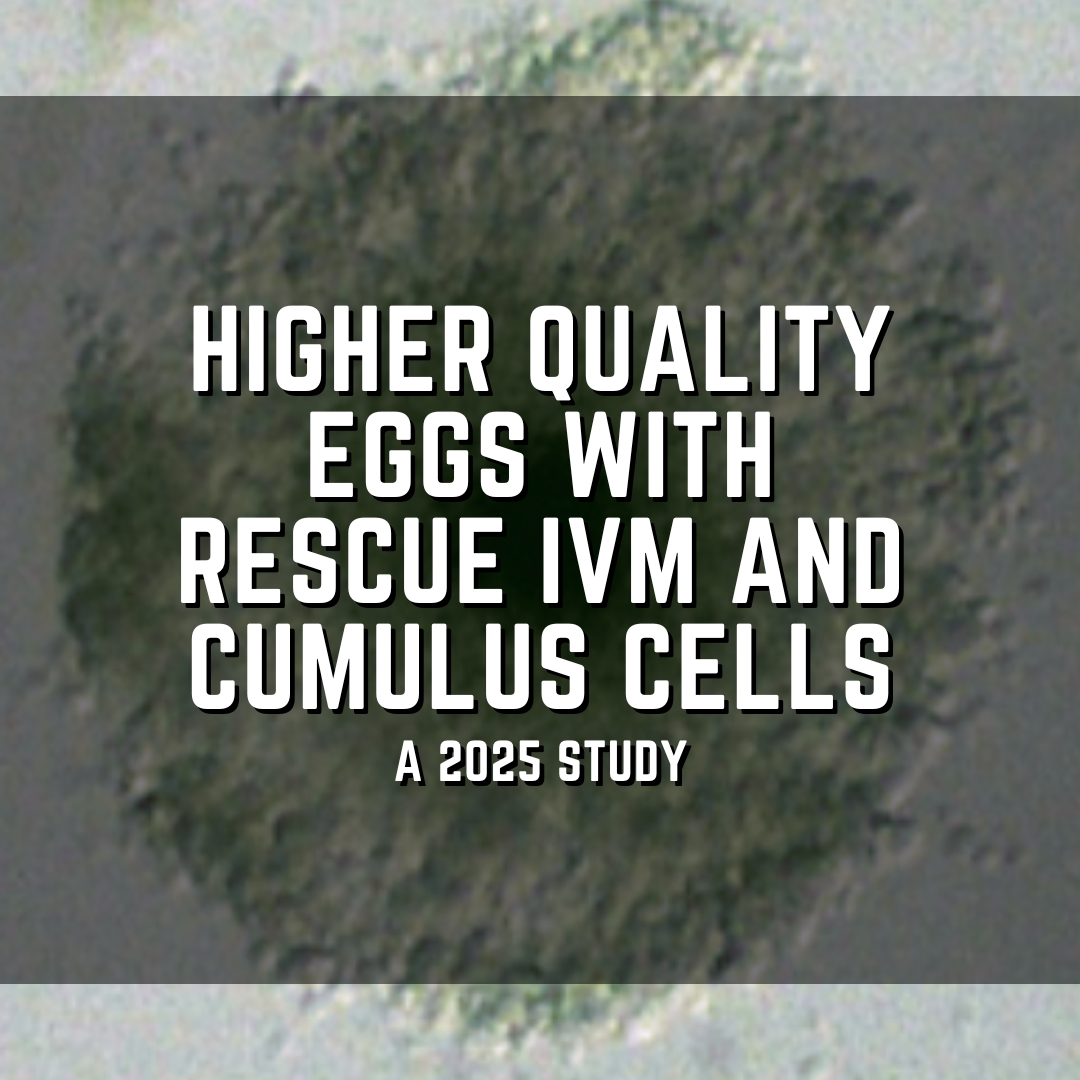
Researchers performed rescue IVM on immature eggs collected from poor prognosis patients, and found that a large number became mature and fertilized, allowing about 1 in 12 patients to have a live birth that they wouldn’t have had otherwise.