Researchers in a 2021 study analyzed nearly 100,000 FETs from the US SART registry and found that blastocyst stage transfers were slightly more likely to result in male live births than cleavage stage transfers.

Researchers in a 2021 study analyzed nearly 100,000 FETs from the US SART registry and found that blastocyst stage transfers were slightly more likely to result in male live births than cleavage stage transfers.


Researchers in a 2021 study found that older women showed worsened IVF outcomes using sperm with high DNA fragmentation, possibly due to compromised DNA repair activity in the older egg.
Researchers in a 2020 study report on the results of the MOXI trial that tested the effectiveness of a sperm supplement cocktail (containing vitamin C, vitamin D, vitamin E, selenium, and more) and found no benefit.
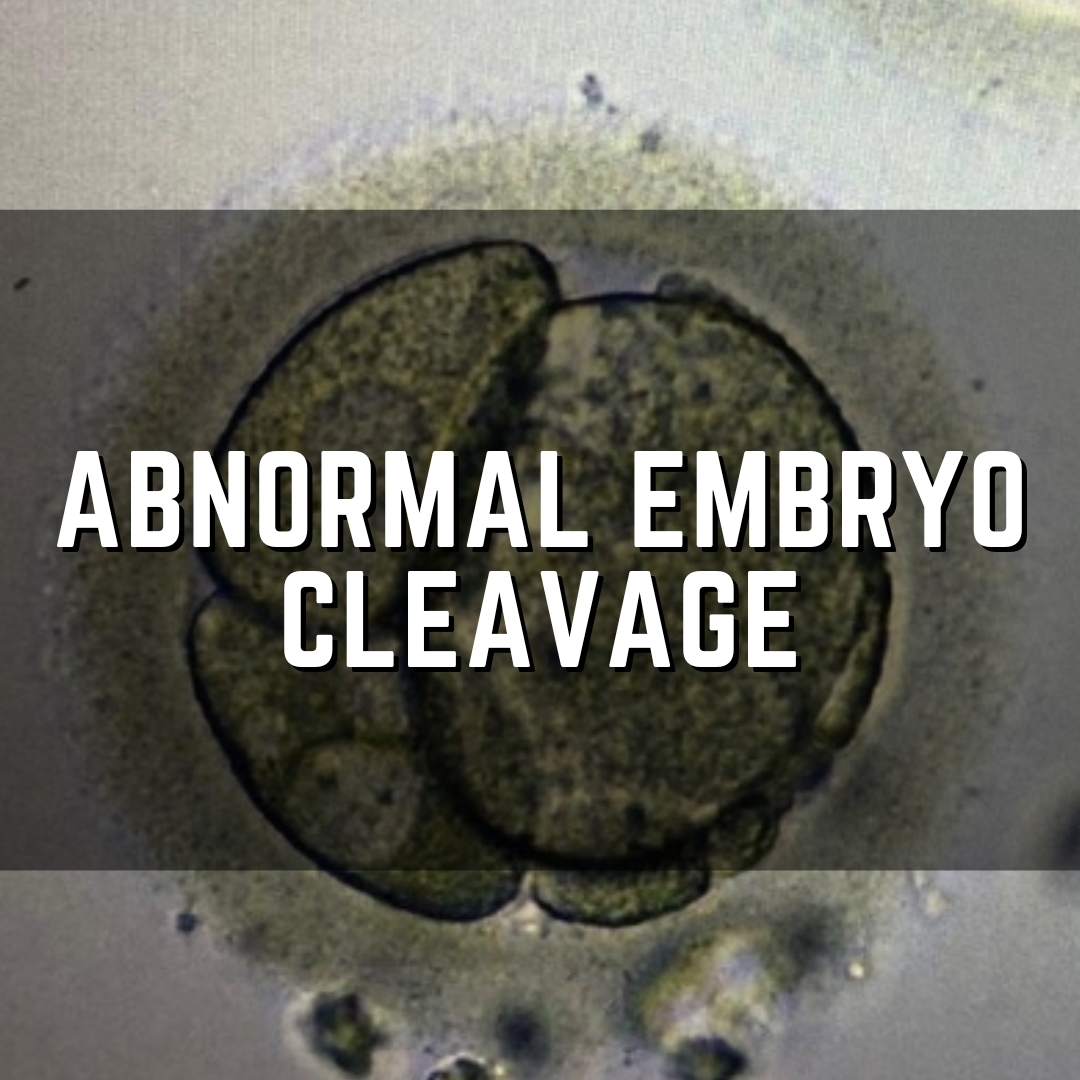
This post covers what occurs during normal fertilization and what it means to have an abnormally fertilized zygote (0PN, 1PN, 3PN, 4PN). Using PGT to test these embryos reveals that many have the correct number of chromosome sets and can lead to successful live births.
Researchers in a 2020 study compared IVF outcomes by follicle sizes, and found that larger follicles generally produced mature eggs that were more likely to develop into blastocysts.

Researchers in a 2021 study performed a clinical trial and found that low and moderate level mosaic embryos have comparable pregnancy outcomes to euploid embryo transfers.





Researchers in a 2020 study found that sperm from males in couples with recurrent pregnancy loss were more likely to be aneuploid, potentially leading to the diagnosis.

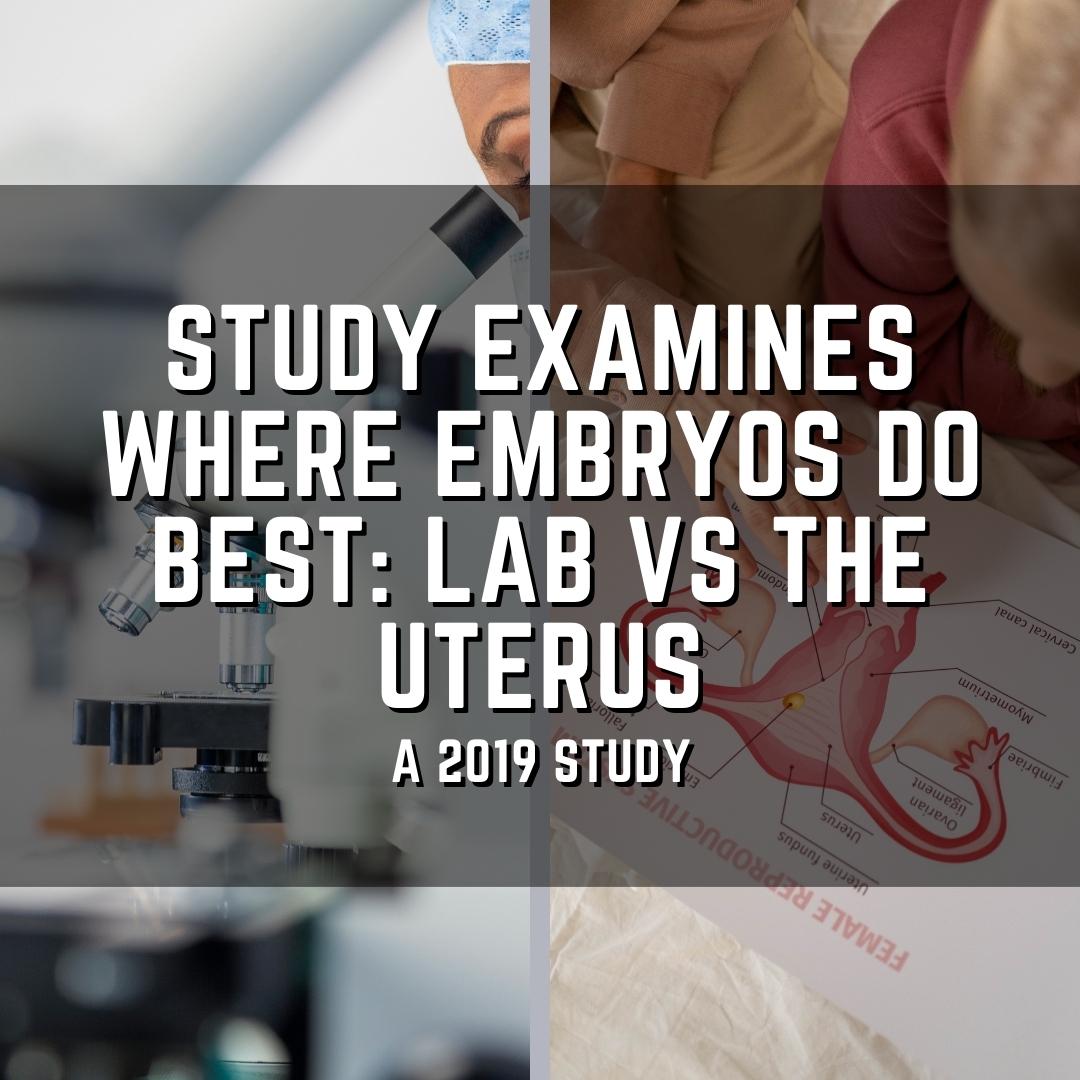

Researchers in a 2021 study investigated “self-correction” in a stem cell-based model for mosaic embryos and found that aneuploid cells in a mosaic are more likely to change into trophectoderm cells or die, while euploid cells accumulate in the ICM.
Researchers in a 2020 study performed a clinical trial and transferred aneuploid embryos, finding that no whole chromosome aneuploids led to a live birth, while segmental aneuploids did.

Researchers in a 2021 study compared outcomes from 1,000 mosaic embryo transfers, consisting of high and low level, as well as whole chromosome or segmental mosaics.

This post takes a closer look at what “poor-quality” embryos really mean in IVF. At the cleavage stage, they often have fewer cells or high fragmentation, while at the blastocyst stage, a grade C means the inner cell mass and trophectoderm contain fewer, loosely packed cells. These embryos tend to have lower success rates than good-quality ones, but studies show they can have similar perinatal outcomes.




Researchers in a 2019 study compared euploid transfer outcomes for day 5, 6 or 7 euploids, finding that day 7 embryos have good potential.
Researchers in a 2019 study compared IVF outcomes from men with low or high sperm DNA fragmentation, finding that high SDF patients had poorer quality blastocysts and a higher chance of miscarriage.