A 2024 study compared cumulative live birth rates for patients aged 40 to 48, finding that increasing age led to decreasing chances of birth.

A 2024 study compared cumulative live birth rates for patients aged 40 to 48, finding that increasing age led to decreasing chances of birth.
A 2024 study explored the male and female factors that are associated with embryo euploid rates, finding that male characteristics had a minor influence.
A 2024 meta-analysis combined the results of 38 studies investigating treatments for diminished ovarian reserve patients. DHEA, testosterone, high-dose gonadotropins and delayed start protocols all improved the number of eggs retrieved.
A 2024 meta-analysis combined the results of 20 studies, showing that supplements improved IVF outcomes in women with ovarian aging, especially CoQ10.
This post explores how different popular diets can affect fertility and IVF outcomes, including the Mediterranean, DASH, vegetarian, keto and Western diet. Some diets can benefit metabolic health and fertility, particularly for PCOS patients, while others have a negative effect.
The egg cell contains a high number of mitochondria, which are tiny cellular organs that produce energy that the egg needs to power fertilization and embryo development. Research has shown that these mitochondria can become dysfunctional with age, leading to reduced energy availability for the egg that could result in poor egg quality. Different treatments that target mitochondria, like antioxidant supplements or mitochondrial donation, may improve egg quality, although good quality research is lacking that shows these treatments are truly effective.
Researchers in a 2024 study performed an RCT and found that intraovarian PRP resulted in an increased number of eggs retrieved in patients with poor ovarian response, although these eggs weren’t more likely to become blastocysts or be euploid after PGT-A and resulted in fewer pregnancies.

Researchers in a 2023 study found that older women that are triggered earlier produce immature eggs that may be more competent than mature eggs after rescue IVM.
Researchers in a 2023 study used rescue IVM and found that many immature eggs became mature and had comparable fertilization and euploid rates to sibling mature eggs, although there was a decrease in blastocyst formation rates.

In this post, we’ll explore various endocrine disruptors present in the environment and consumer products, which can interfere with hormonal action and adversely affect reproductive health and fertility. We’ll focus on bisphenol A (BPA), phthalates, dioxins, pesticides, perfluoroalkyl and polyfluoroalkyl substances (PFAS), as well as parabens and phenols, and also discuss methods to minimize exposure to these chemicals.

Researchers in a 2023 study used a procedure called “rescue in vitro maturation” to culture immature eggs collected after retrieval overnight, and found that a high proportion became mature and had comparable fertilization to sibling mature eggs, with many going on to form euploids.
Researchers in a 2023 study compared fertility outcomes in women trying to conceive who took myo-inositol, probiotic and micronutrient supplements and found no improvements in clinical pregnancy and live birth rates, with contrasting outcomes in time-to-conception based on BMI.
Researchers in a 2022 study compared outcomes from mature M2 eggs and M1-M2 eggs that underwent “rescue in vitro maturation” and found that M2 eggs had improved fertilization, blastocyst conversion and euploidy rates, with no difference in pregnancy or live birth rates.
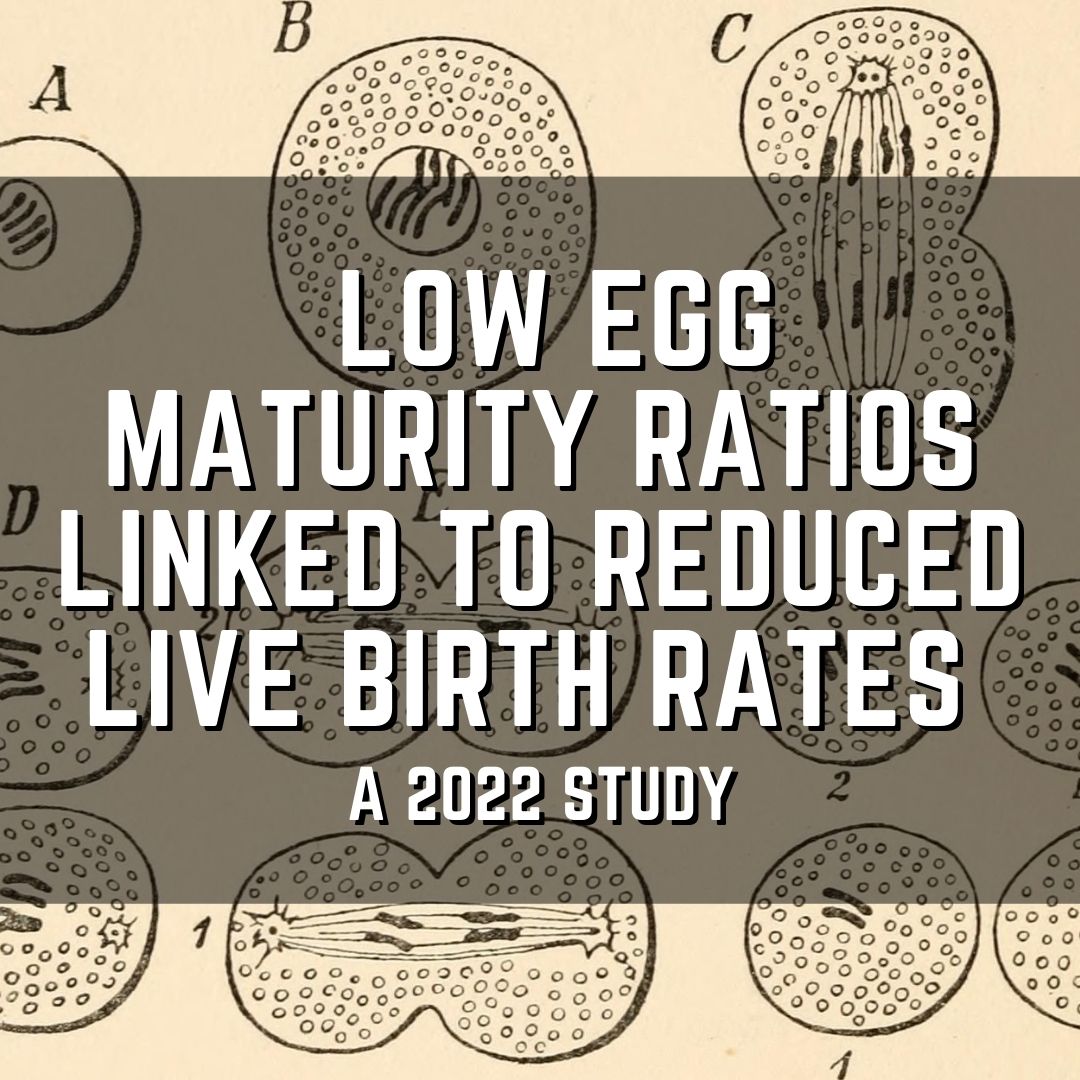

What’s the ideal follicle size for IVF? Researchers in a 2022 study compared follicle size at the time of trigger and related it to rates for egg maturity, fertilization, good quality embryos and euploidy. They also examined the association between follicle size and age and BMI.